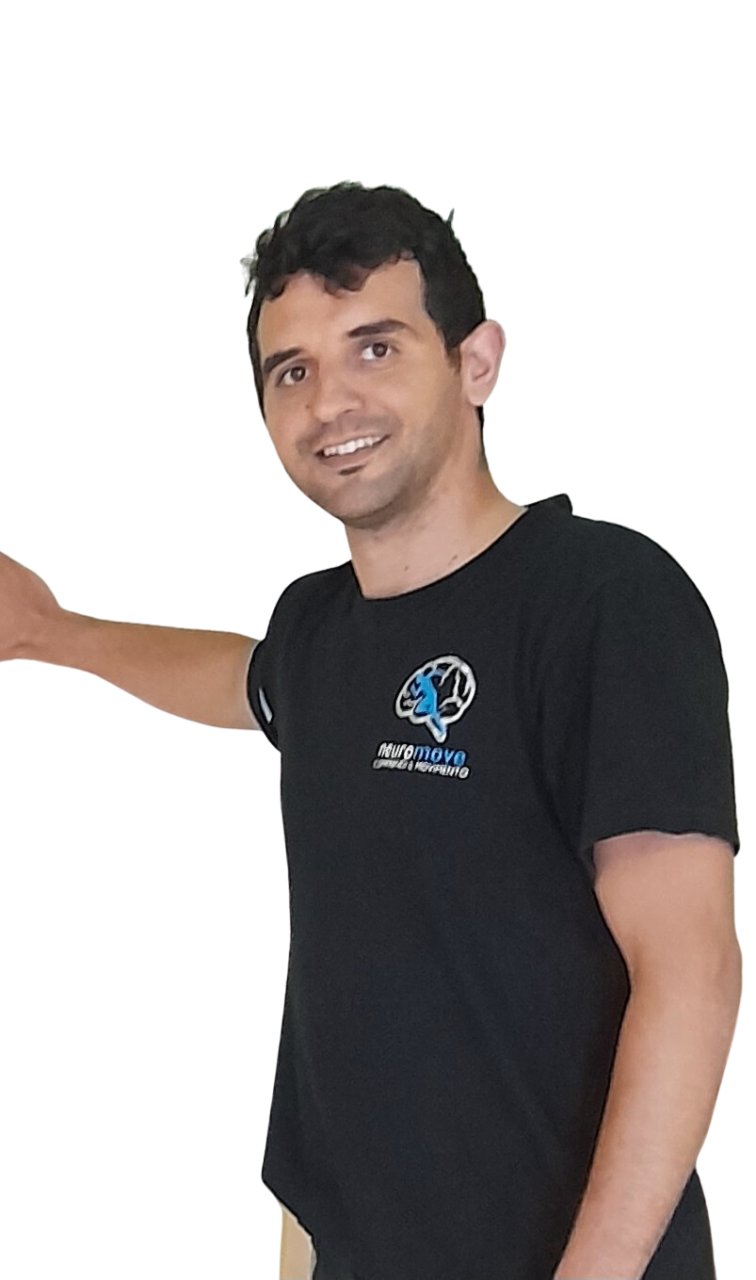
Jose De Laurentis
FOUNDER

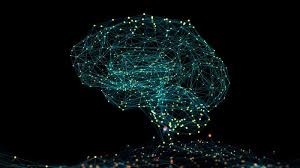
“Train one to attack the multiple” - This maximum of the Morial Arts Master Morihei Ueshiba contains a profound principle, applicable not only to combat, but also to neuroscience, physical preparation and health. THE'”a” It can be our neuromotor system, the immune system or even the mind; The “multiple” It represents the challenges we face: accidents, diseases, stress, viruses and bacteria. How can we strengthen one to dominate the multiple?

Our nervous system is like a warrior who coordinates movements, reactions and adaptations. Every athletic gesture, every response to an imbalance, is the result of invisible but constant training. Neural plasticity - the brain's ability to remodel based on experience - is the biological equivalent of martial training.
Precision vs. Chaos (multiple): An athlete who trains balance, proprioception and reactive force is refining “one” (the neuromotor system) to counter “multiple” (accidents, unstable land, unexpected movements).
Neural resilience: As an Aikidoka learns to exploit the opponent's strength, the brain learns to compensate trauma or fatigue, transforming weaknesses into opportunities.
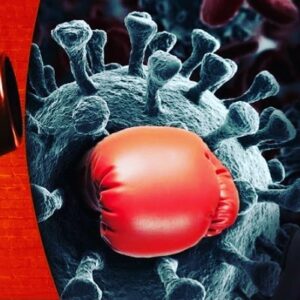
If the neuromotor system is the warrior, the immune system is the inner army that defends us from external invasions. Here too, the Ueshiba principle is reflected:
Train immunity (one): Moderate exercise enhances the immune response, while chronic stress (multiple) weakens it. Studies show that regular physical activity improves immune surveillance against viruses and cancer cells.
The mind as a very general: Psychological stress can sabotage the defenses, while meditation and breathing techniques (as in the Qigong or Tai Chi) strengthen resilience, coordinating nervous and immune system.
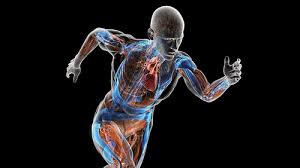
True skill, in martial arts as in health, consists in integrating all systems. An athlete who trains strength, mobility and recovery is not only preventing accidents, but is creating a “intelligent body”, capable of adapting to threats.
Neuroimmunology: The dialogue between brain and immune system (through streets such as the HPA axis) shows that the”a” It is actually a complex unit, which if well coordinated, can reject “multiple” With efficiency.
Dojo metaphor: The body is a dojo in which micro-battaglie is fought every day. Those who consciously train (mind, motor system, immunity) wins without fighting, because the body becomes a harmonious and unpredictable weapon.
The Ueshiba lesson is clear: the real force is not in reacting to chaos, but in preparing to dominate it. In neuroscience and medicine, this means:
Strengthen key systems (neuromotor, immune, psychological) with training, nutrition and recovery.
Create synergies between mind and body, because one becomes multiplier of resilience.
Transform threats into opportunities, like a virus that, once defeated, leaves immune memory.
In an era of complex challenges - from pandemics to sedentary lifestyle - the response is not to fight every battle separately, but to forge a “unified system” Able to adapt, resist and finally win. One, trained with wisdom, dominates multiple.
FOUNDER


