- Motion Realizing
- info@neuromove.it

Water balance in functional training

RESEARCH ON THE PHYSIOLOGY OF TRAINING
(CENTER FOR STUDIES OF THE HUMAN MOVEMENT)
MAIN THEME:
Water balance during functional training.
INDEX
Part I
¶.1 Topics and objectives.
¶.2 Hypothesis
¶.3 Research methodology.
¶.4 Training program and method of water and CDS intake.
Part II
¶.5 Introduction to Natural Biophysics.
¶.6 Biophysics: Ionization of biological fluids.
¶.7 Introduction to the concept of Redox; equivalent to the acronym ORP (oxidation reduction potential).
¶.8 Biophysics of chlorine dioxide.
¶.9 Water circulation in the organism.
¶.10 Morpho-physiological mechanisms of pH correction.
-Bohr effect and the circulation of chlorine dioxide in the form of C.D.S in the organism; (Chlorine Dioxide Solution).
-Pulmonary ventilation.
¶11 What is Oxidation; ROS as the villains of all evil.
¶.12 Thermoregulation.
¶.13 Sources of Energy creation.
Part iii
¶.11 Data analysis and hypothesis verification
¶.12 Conclusion
¶.13 Bibliography
¶.1 Topics and objectives.
SUBJECTS:
Effects of water on fluid balance during functional training.
Effects of chlorine dioxide in the form of “CDS” on water balance during functional training.
Research object.
Describe the biophysical effects “physiological” observed during and after natural water consumption via water balance during functional training?
Describe the biophysical effects “physiological” observed during and after chlorine dioxide consumption via water balance during functional training?
Research new paradigms of how water works in the creation of energy.
Create new research channels to find a better explanation of the function of water in thermoregulation and energy creation, as well as in sports performance.
General objectives:
Create new research channels to find practical means from water balance measurements of athletes.
Specific objectives:
-Compare the water balance of training in which dioxide is not consumed ;“ only natural water”, with the water balance of the second training session in which chlorine dioxide diluted in natural water is consumed.
-Analyze the effects of chlorine dioxide diluted in water on the water balance using the following parameters:
1) Body weight. (Caloric, thermal and water balance)
2) Sweat weight. (Calorie balance/Power of energy creation)
3) Weight and quality of urine.
Data collection tools:
1) Scale to measure body weight.
2) Scale to measure sweat.
3) tester heads to measure water.
Data collection tools
¶.2 Hypothesis
1) Adequate consumption of natural water is an excellent strategy for maintaining water balance, and contributing to the oxidant-antioxidant system and thus to the biological allostasis which would allow functional training to be carried out:
2) The adequate consumption of chlorine dioxide in the form “of CDS” it could be an excellent strategy to maintain water balance, contribute to biological homeostasis which would allow functional training to be carried out:
3)Based on the results of the research we carried out previously; Effects of chlorine dioxide on homeostatic regulation during standard spinning training. – NEUROMOVE , we consider that the weight “pre” first training session; “net weight”, will be greater than the net weight “pos” training. That is, the difference will be negative.
4)Based on the results of the previous research, we consider that the amount of sweat will be greater in the second workout, (yes CDS), compared to the first workout in which only natural water was consumed.
5)Based on the results of previous research, we consider that the difference between the weight “pre and post” first workout ” (natural water), it will be “negative”. That is, you will lose weight after training. Instead the difference between “pre and post” second training (yes CDS) will be positive. That is, you will gain weight after training. The difference in net weights is an excellent parameter for controlling the water balance.
6)Based on our previous research, we consider that the amount of urine will be greater in the first workout (plain water), compared to the second (Si CDS).
¶.3 Research method and data collection:
Project: Evaluative/ Descriptive:
Observation unit: Josè De Laurentis, 33 years old.
Data collection technique: Systematic self-observation of different tests:
| 1) Body weight | ||
| 2) Urine weight | ||
| 3) Oxide Potential - ORP reduction of substances | ||
| 4) Oxide Potential - Reduction of urine ORP. | ||
| 5) Sweat weight |
Duration: 12 days: from Monday 2nd August to Friday 13th.
Data analysis: probabilistic reasoning, deductive logic, quantitative logic, comparative logic.
DATA COLLECTION (in both workouts)
Data collection protocol.
Standard body weight: “During all days of the week. Moment “start of the day”.
Net Body Weight 1:- (Pre workout; after urinating)
Relative body weight: (Post workout, after urinating)
Net Body Weight 2: (Post workout, after urinating)
| Test 6 of August 2021. | |||
| Net Body Weight 1:- (Pre workout; after urinating) | 84,65 | ||
| Relative body weight: (Post workout, before urinating) | 84,70 | ||
| Net Body Weight 2: (Post workout, before urinating) | 84,05 | ||
| Urine weight | 57gr | ||
| 5)Sweat weight: “Weight difference between pre clothes weight;1479 gr/post 1611Gr Work out” | 132Gr | ||
| Test 13 of August 2021. | |||
| Net Body Weight 1:- (Pre workout; after urinating) | 83,9 | ||
| Relative body weight: (Post workout, before urinating) | 84,35 | ||
| Net Body Weight 2: (Post workout, before urinating) | 84,30 | ||
| Urine weight | 76 gr | ||
| 5)Sweat weight: “Weight difference between weight of clothes and pre towel; 1480 Gr/post; 1583 Gr Work out” | 103 Gr | ||
3) Oxide Potential - ORP reduction of substances.
Tap water / Chlorine dioxide.
CORRECT WAY TO TAKE THE DILUTED CHLORINE DIOXIDE IN WATER:
- Protocol 1: Adaptation week to chlorine dioxide:
After the first workout; Friday 28th, the athlete during the week until the second and last day of training; on Friday the 4th, he will have to adapt to the effects of the substance, that is, he will drink it with the aim of adapting to its biophysical effects, and therefore be able to consume it without problems during the physical test.
(1 dose every 1 hour; also space 1 hour between meals)
Total 60 ml of dioxide in 9 liters of water for 6 days.
Amount ; 10 ml diluted in 1 ½ liter of natural water.
Mode: 10 doses per day every 1 hour, even at 1 meal time.
Duration: (6 days / from Saturday 7th to Friday 13th August 2021)
- 2.Protocol: during the second training session:
The doses will be 200ml every 15 minutes as it will have been done with natural water.
At the end of each consumption, put it back in the refrigerator so as not to expose the chlorine dioxide to the ambient temperature, since the dioxide gas evaporates above 11 degrees.
¶4. Plan training and methodology of aintake of water and CDS.
The following training program will be a presentation that will show the quality and intensity with which the exercises of this research were carried out.
Instead the quantity was 2 sets of 12 repetitions for two-body or complex exercises (e.g. scouts, pull-ups), and yet 2 sets of 24 repetitions of unipodal or unimanual exercises, which makes 12 repetitions for each half-body (e.g. unipodal pulls).
We must remember that the series of each exercise (2) were not performed continuously, that is, after the first series we continued with the next exercise, so on until reaching the end of the entire program and starting again with the pre-established order.
Micro break: 1 minute per exercise.
Macro break: 3 minutes for each part of the program.
Water intake;
on August 6th, after each part of the program, during the macro break; 3 minutes, the athlete must drink 166.6 ML of natural tap water”.
Total 3 bottles of 500ML, or 1.5L of water during the entire training.
Instead on August 13th, and after each part of the program, during the macro break; every 3 minutes, the athlete must drink 166.6 ML of tap water with chlorine dioxide”. Total 3 bottles of 500ML of water with chlorine dioxide diluted in distilled water, i.e., specifically 1440 ML of water with 60 ML of chlorine dioxide diluted in distilled water during the entire training.
PART II
¶.5 Introduction to Natural biophysics
Biophysics is a new branch of physics and biology, which while combining both scientific paradigms, and adding discoveries and concepts of quantum physics, seeks in effect, to explain and find solutions to the problems of medicine, rehabilitation, and sports sciences. .
His paradigm dealing with quantum physics, and in relation to the famous Newton event, (Andreas Kalckers 2019) says that we must not worry about how and why the apple fell, rather we must study how and why the tree had the energy necessary to grow, and then bear fruit.
¶.6 Biophysics; ionization of biological fluids.
All biochemistry cannot ignore the presence of water in every process. An interesting characteristic of water is that it ionizes easily. Ionization is a physical-chemical process that simultaneously includes oxidation and reduction reactions. Oxidation causes the removal of electrons while reduction causes the transfer of electrons.
Oxidation cannot exist without simultaneous reduction: This combination of chemical relationships is called Redox reaction; It is interesting to note that our biochemistry at birth and in the first years of life is alkaline-reduced.
One of the important characteristics for life is the ionization of biological fluids, a chemical process that consists in the loss or gain of one or more electrons by an atom or a molecule. Cellular biochemical activity is essentially based on a continuous process of splitting the water molecule (H2O) into H+ ion (hydrogen ion) and OH- (hydroxyl) ion, in its recombination, thus catalysing all the other biochemical processes that allow us to live. In fact, after air and heat, water is the most essential element for any form of life on earth.
Well, this characteristic of hydrolysis (or self-protolysis of the water molecule) and its recombination, which occurs above all in the cell but also outside in the extracellular fluid, is one of the most crucial factors for life.
The hydrogen ion (H+) is what determines the pH values of the water (whether acidic or alkaline). A certain number of water molecules dissociates (self-ionization) to form protons (H+) and hydroxides (OH-). The pH expresses the -log to base 10 of the concentration of protons (H+).
Therefore, the greater the number of H+ ions compared to OH- ions, the lower the pH; therefore the solution will be acidic and vice versa. If the number of ions (H+ and OH-) are equal, the solution will be neutral.
Therefore in a mass of water the quantity of H+ ions and OH- ions can vary for various reasons (chemical, electromagnetic, gravity, pressure, temperature, etc.). Water that contains more hydrogen ions (H+) is called acidic water, water that contains more hydroxide ions (OH-) is called alkaline water while, if the number of H+ and OH- ions is equivalent, the water is considered neutral.
In a given quantity of neutral water at room temperature (22c) the ratio of both the H+ ions and the OH- ions to the total molecules of which volume of water is always 1:10 7. The blood PH value of the healthy organism is 7.365 (a somewhat alkaline value, if we consider that the measurement scale is logarithmic)
Lastly, we can have, in fact, four different physical conditions;
1) Alkaline-reduced, 2)alkaline-oxidized, 3)acid-reduced, and 4)acid-oxidized. The ideal condition for the expected life and health of mother nature is that reduced alkaline, while the worst is the oxidized acid one. The condition alkaline-reduced it is an expression of the acid-base balance and the Redox balance.

¶.6 Introduction to the concept of Redox; equivalent to the acronym ORP (oxidation reduction potential)
(Rocco Palmisano 2018) says PH and Redox represent two of the fundamental dynamic equilibria, i.e. allostasis of living matter since this is subject to the influences of both natural (terrestrial, lunar, solar, cosmic) and artificial (high voltage pylons, industrial equipment, household appliances, etc.) electromagnetic fields. We know that, if in a solution (our body is essentially a solution)
The term Redox mainly indicates the spontaneous movement of an electron from one atom (or molecule) to another, producing an important electro-magnetic activity which represents the first start of life in every living being. In every Redox relationship there is simultaneously a sender and a receiver of electrons; therefore, the Redox reaction is a two-phase process.
The process is summarized with the following formula: Ae- +B = A + Be-
In this formula we observe that the element A giving up the electron(e-) to the element B is oxidized while B is reduced. Thus, an ion with a negative electrical charge is considered a reducing agent while an ion with a positive charge is considered an oxidizing one. In fact, the optimal Redox measures an rH2 of 21-23 (slightly reduced). The acid-base balance and the Redox balance are correlated and independent in the same way. (Kalcker 2019) Says that ORP is a frequently used term in the treatment of’water and in the food processing industry. It's a measure the cleanliness of the water and its ability to reduce chonesty. It has a range from -2000 mV to +2000 mV. The senses ORPs work by measuring dissolved oxygen.
More polluting in water, produce less dissolved oxygen, because organics they consume oxygen, and therefore the lower the ORP level. Taller the ORP level is, the greater the ability of water to destroy external pollutants, such as microbes or pollutants based on carbon.

¶7 Biophysics of chlorine dioxide
What is chlorine dioxide?

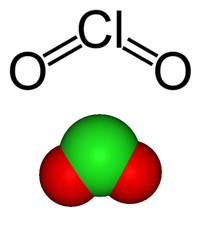
Molecular structure of ClO2
Chlorine dioxide is a "yellowish" gas (1 chlorine ion and 2 oxygen atoms) is obtained by mixing 28% sodium chlorite and 4% diluted hydrochloric acid, and dissolves easily in water without however altering its structure, whose primordial ability is to be able to be selective through the body's pH, and therefore reacts with any substance that has more acidity than 7.3 in the human body. We also know that practically all pathogens, be they bacteria, viruses, fungi or small parasites, have a higher acidity than that of a healthy body, in fact these pathogens have a pH (hydrogen potential) below 7.3, which would be a balanced pH, i.e. a slightly alkaline pH.
Thanks to its selective biophysical capacity, chlorine dioxide releases oxygen where there are pathogens with more acidity, causing their oxidation. Simply put, it burns them at the same time that it releases oxygen. There is no resistance to oxidation, if this however is powerful enough.
In fact, our body, like that of all other vertebrates, uses the same principle within the neutrophils, which have been the defense killer cells of our immune system for millions of years. These cells devour pathogens, creating an oxidation that practically kills them. With this effect, we get a more alkaline environment, with fewer bacteria, viruses or fungi, and consequently the body is able to recover and heal naturally since it will have more cellular energy available.
The selective oxidation capacity of chlorine dioxide on our body is the key to everything, many specialists believe it is one of the greatest discoveries of modern medicine.
The most interesting is that chlorine dioxide is not only selective through PH, it even reacts differently in front of each pathogen, that is, while the more acidity the bacteria have the stronger the chemical oxidation reaction, and at least the less acidity strong is the oxidation. This is why it does not affect symbiotic bacteria as much as they usually have a similar pH range to that of the body, and this is what allows them to be symbiotic.
Chlorine dioxide in the form of “CDS” at 3000 PPM provides cells with five vital things:
* 1) oxygen: * acts on each mitochondrion, which is the cell's powerhouse, creating a combustion that converts ATP (adenosine / triphosphate) into ADP (adenosine / diphosphate), a process of phosphorylation to produce energy.
Oxygenation is demonstrated with the oximeter. When patients take CDS, blood oxygen measurements increase (measurements made with the oximeter).
* Involves: * Increases the cell's survival potential.
* 2) Provides ALKALINITY, * which promotes the communication processes and / or electrical conductivity necessary for the functioning of the nervous system, the hormonal system and the immune system.
* Involves: * Increases the cell's survival potential.
* 3) Provides a potential or electrical charge * sufficient to activate redox processes favorable to intracellular and intercellular communication.
* Involves: * Increases the cell's survival potential.
* 4) Disinfects: * Kills fungi, bacteria and inactivates any virus, as it selectively "burns" (oxidizes) the capsid that protects the virus. A virus has a diameter of 100 to 120 nanometers, while chlorine dioxide is a molecule of 0.24 nanometers in diameter, and it is for this reason that there is no virus that escapes their action.
* It implies: * Provides well-being to the cell.
* 5) Decontaminates: * Because it oxidizes heavy metals and other pollutants, which once oxidized become soluble in water and being soluble in water can be eliminated through urine and / or sweat. (Thermoregulation)
* It implies: * Provides well-being to the cell.
* If you increase the performance potential of a cell and provide well-being, this results in healing and if you heal the cell that makes up an organ or system, you are healing that organ or system. *
¶8 What is Oxidation; oxidative therapies.
Oxidation is the body's ability to burn fat, proteins, carbohydrates and even toxins. The result is precisely that of obtaining energy through this combustion and performing with all the organic functions necessary for life.
Oxidative Therapies:
It is our body's way of eliminating pathogens. Harmful substances and organisms are oxidized or burned and then excreted.
ClO2 is selective. To compare its effectiveness and safety, let's see the following:
1️⃣ Ozone (O3) has an electric potential of 2.07 volts, it is the strongest oxidant.
2️⃣ Food grade hydrogen peroxide or hydrogen peroxide (H2O2) is the second oxidizing agent with a potential of 1.8 volts.
3️⃣ Chlorine dioxide (ClO2) with 0.95 volts, is the weakest but safest and most selective oxidant of all those used.
4️⃣ The oxygen (O2) we breathe has an electrical potential of 1.3 volts.
🔸The electric potential of the healthy cells of our body is equal to 1.3 Volts, and they support without any damage, electric potentials less than 1.3 Volts, that is, it does not cause any damage to the tissues.
🔸 Unlike healthy cells, bacteria, viruses, fungi and microscopic parasites, in addition to heavy metals, have an electrical potential lower than the chlorine dioxide potential of 0.95 volts, and are therefore oxidized and removed from the body.
🔸Other oxidizing agents would oxidize healthy body cells and tissues due to their oxidation potential greater than 1.3 volts.
🔸The only oxidizing agent that is completely safe to ingest, without any risk of damage to the body's healthy cells, is Chlorine Dioxide in the form of "CDS". ClO2 quantities pose no risk with correct dosing.
THERE IS ANOTHER OXIDATIVE THERAPY based on oxygen:
4️⃣ Hyperbaric therapy of pure concentrated oxygen (hyperbaric chambers) which pressurize oxygen, the air pressure rises up to three times higher than normal air pressure.
Under these conditions, the lungs can breathe in more oxygen than would be possible by breathing pure oxygen at normal air pressure. Although this is also used as therapy – and not just for “divers” who have not decompressed properly.
¶.9 Water circulation in the organism.
The water contained in the fetal body enters it through the umbilical cord and is continuously exchanged using the same transport and exchange mechanisms that the body will continue to use after birth. After birth, the role and action of water are the same, except that the water reaches the intestine through the mouth.
The water drunk does not remain in the stomach for as long as food but passes immediately into the small intestine and is absorbed, above all, in the large intestine through the osmotic effect. Like everything that is absorbed at the gastrointestinal level, it also passes through the liver and the abdominal lymphatic system before reaching the general circulation. The water introduced, however, becomes an integral part of the water volume of the circulatory system in a time varying between 15-30 minutes.
This blood-lymphatic volume is not constant over time because it is influenced by the temperature, the sporting activity performed, the degree of circulatory pressure and the capacity of the blood and lymphatic vessels. When the volumetric capacity of the body is exceeded, excess water is expelled by the kidneys in the form of urine. The remaining water circulates throughout the circulatory system. After crossing the barrier of the capillary walls, the water continues its journey towards the cells by crossing the connective tissue by diffusion under the pressure of osmotic force or pressure.
The water present beyond the barrier of the capillary walls constitutes the extracellular fluid in which the cells float. From this liquid (serum) the cells are supplied with all the water and nutrients they need and, at the same time, into the same liquid they pour the excess of intracellular liquid and with it the toxins produced by their own metabolism. The exchange (passage of water) and any other substance through the cell membrane is determined by the osmotic force or by the electromagnetic force generated by the potential difference of minerals and other organic molecules. Cells can be compared to islands in the middle of the sea from which they receive nourishment. Endocellular serum is our vital liquid, it is with it that our cells produce the energy and substances necessary for their reproduction.
The water contained in a man is approximately 70% approximately 44 liters (1 L of water weighs 1 kg) and is divided into intracellular fluid (18 L, i.e. 40%) and extracellular fluid (26 liters, i.e. 60%), of the extracellular fluid 20% forms blood, 13% is divided between cerebello-spinal fluid, axoplasmic fluid in the nervous system, eyes, joints, abdominal cavity, etc., while the remainder 67% is found as interstitial fluid that acts as a transport for nutrients, waste and messenger substances such as growth factors. The interaction of all in body fluids guarantees the allostatic maintenance of the organism (Chaplin 2016; Meer 2012; Van den Berg 2012)
Water is essential for bringing nutrients to the cells (anabolic phase) but is equally essential for removing waste substances from cellular metabolism out of the cells and the body (catabolic phase). The balance of these two functional phases of our metabolism is the basis of our health. But this balance depends on the acid-alkaline water balance of our body.
Furthermore, water is essential for the elimination of any other toxins present in the body by the purification organs (intestine, lymphatic system, liver and kidneys). Water is the universal dissolver that dissolves dirt everywhere, therefore also in our body.
¶.10 Morpho-physiological mechanisms of pH correction
-Bohr effect and the circulation of chlorine dioxide in the form of C.D.S in the organism;(Chlorine Dioxide Solution).
Chlorine dioxide in the form of “CDS“, diluted in water, consumed orally, reaches the stomach and through the internal temperature is absorbed by small blood and lymphatic vessels in the region ofgastric wall, which will later also go to interstitial fluids.
In honor of its discoverer, the effect of pH or carbon dioxide on the dissociation of oxygen is known as the Bohr effect. In an acidic environment, hemoglobin releases oxygen more easily, while in a basic environment the bond with oxygen is stronger.
More than 98% of the oxygen present in the blood is bound to hemoglobin, which in turn circulates in the bloodstream allocated within the red blood cells. Without hemoglobin, therefore, the erythrocytes would not be able to perform their task as oxygen transporters in the blood. Read on later…

Molecular structure of hemoglobin
The Bohr effect is very important during intense muscular work; in such conditions, in fact, in the tissues most exposed to stress there is a local increase in the temperature and pressure of carbon dioxide, or blood acidity. As explained, all this favors the transfer of oxygen to the tissues, shifting the hemoglobin dissociation curve to the right.
Chlorine dioxide in the form of “CDS” diluted in water it acts via the same effect (Bohr effect) auby placing the negative charge in the liquid, a similar effect is created to ozonated water, subtracting the positive charge on the protons from the cells of acid pH, beyond 7.3 (PH). If the cells are joined together, the charge can be dissipated without damaging the group, while in individual cells it creates a reduction of energy in it depending on the pH. When the dioxide in the form of “CDS” in blood finds an acid place dissociates, and the chlorine ion reacts with the ORP up to about 1.3 V. In this process it releases oxygen, which in turn creates water bonds H3 O2 (Andreas Kalcker 2019), “or structured water”, which through its greater However, its oxygen content does not behave like normal water.
Qwhen reacts, in fact, the chlorine ion helps with oxidation, i.e. it burns the pathogens (harmful germs) of acidic pH, as well as the blood acidity created by physical effort above the threshold of 7.3, transforming them into oxides “ashes”; “Alkali.
After that the difference is right sodium chloride “common salt” which is sweaty from the skin, and at the same time releases oxygen which becomes essential for cellular oxygenation . Therefore, chlorine dioxide al dissociating releases oxygen into the blood as well as erythrocytes (blood cells red) through the same principle (known as the Bohr effect), which has the particularity of be selective through blood acidity, or through excessive carbon dioxide.
chlorine dioxide “CDS” does it travel on hemoglobin? Andreas Kalcker, the most important researcher of the molecule, says of NO, in fact he states that it is a source of parallel oxygenation, therefore the scientific description becomes more complex since the oxygen that this molecule has is of atomic size.

-Pulmonary ventilation.
The physiological blood pH is the result of an automatic control mechanism that uses, primarily, the normal respiratory act and the acidic (H2 CO3) and alkaline (HC03-) blood reserves. When normal breathing is not sufficient to compensate and eliminate the excessive acidity of the blood, an increased respiratory response occurs in a few minutes.
Pulmonary respiration plays a fundamental role in correcting the body's PH.
With pulmonary ventilation, in addition to carbon dioxide (C02), other organic acids present in gaseous form in the blood are eliminated.
CO2, a gaseous substance produced by the cells, binds with water (H2O) and diffuses into the blood in the form of carbonic acid (H2CO3) so as to be transported more easily to the pulmonary alveoli where it is transformed into CO2 and water (H2O). The CO2 and a part of water (in the form of vapour) are eliminated from the lungs. During the hydration of CO2 (due to the action of carbonic anhydrase), H+ ions are formed which must be buffered to avoid a shift in pH towards acidity values incompatible with cell life. To do this, hemoglobin intervenes first and foremost, which is equipped with a very efficient buffer capacity.
In optimal physiological conditions, the metabolic variations in Co2 production are promptly counterbalanced by ventilatory variations in order to keep the quality of Co2 in the blood constant. The increase in pCO2 and the decrease in blood pH and pO2 stimulate hyperventilation while a change in the opposite direction leads to hypoventilation.
During normal breathing, approximately 15 breaths are performed per minute and the muscles are used only in the inspiratory phase, since exhalation occurs passively. The diaphragm should in fact carry out 2/3 of the breathing, while the’ 1/3 is carried out by the other main respiratory muscles, the intercostals.
This results in abdominal or diagrammatic breathing (Hall 2011)
¶11 What is Oxidation; ROS as the villains of all evil.
Oxidation is the body's ability to burn fats, proteins, carbohydrates and even toxins. The result is precisely that of obtaining energy through this combustion and carrying out all the organic functions necessary for life. Having said this, we will see what he says (Davide Marchese says 2019):
… Physical exercise, and this is especially true for vigorous physical activity, always causes, to a variable extent, a certain degree of stress, mechanical and metabolic, on the human body. This leads to two results: inflammation and oxidative stress . The energy demand necessary to carry out a certain level of physical activity increases oxygen consumption at the tissue level. There is evidence that oxygen consumption increases 10-20 times compared to baseline at a systemic level, and 100-200 times at the skeletal muscle level. Increased oxygen consumption leads to the generation of spikes in mitochondrial electron flow, which will inevitably lead to greater dispersion of reactive oxygen species (ROS) into the mitochondrion, ultimately increasing the production of free radicals. Other potential causes of an increase in ROS production are an alteration of the homeostasis of calcium ions, damage to iron-containing proteins, as well as the production of Under normal conditions, and especially of rest, the quantity of reactive oxygen species (ROS) produced is proportional to the antioxidant capacity, but an increase in the production of ROS will cause an imbalance in the oxidant-antioxidant balance . The increase in ROS production will increase the activity of the antioxidant defense system, but at the same time it will also cause a reduction in reserves antioxidants, and this will lead to a greater susceptibility of tissues to oxidative stress (Li Li J)...
The fundamental difference with this long accepted theory is the fact that free radicals are the bad culprits of all cellular evils, this is not really the case, in fact they are only part of the result of the ill-named “oxidative stress”.
During oxidative stress, the radicals that are formed perform the signaling function in biological allostasis. Biological allostasis, in fact, presupposes the system oxidants-antioxidants, which every organism wisely triggers to have regulation aimed at life, at survival. In fact, Dr. Michael Ristow, who won a German research award for his work Mitohormesis, demonstrates increased mitochondrial activity when there is low-potency oxidative stress. Let's remember that the mitochondrion is the electrical control unit of every cell, and its increase in activity is very good for the functioning of the body as a whole.
So is the free radical theory false? yes, Why? because oxygen is essential and the concept of free radicals as was once promoted is incorrect. Why is it wrong? Above all because the human body is not simply a laboratory Petri dish and in its functioning everything interacts with everything. (Ristow M, and Schmeisser 2014), on the contrary, says that this stress can promote health and lifespan by increasing levels of reactive oxygen species.
We agree that moderate and regular exercise is the most suitable for achieving balance in this system “oxidants-antioxidants” and with this integral health, but we absolutely disagree when it is stated that elite sports, or those requiring great effort, are unhealthy. In fact, it depends on many things, for example the neuro-psycho-physiological characteristics of the individual, of the individual athlete, but it also depends on the methodological strategies to compensate for the systemic imbalance.
The methodologies that could be applied concern different fields of knowledge:
1) Water 2) Food/integrative, 3) kinesiological/ therapeutic, 4) Psychological/ Sleep.
¶.12 Thermoregulation
The goal of thermoregulation is to maintain the temperature of the inner core at around 37 C (in the center of the body). The neuroanatomical structure that regulates it is the hypothalamus, and it is precisely the peripheral temperature receptors that give notice to this neuroanatomical area, and consequently ensure that the central core temperature is maintained at 37 C.
The hypothalamus also receives extra information from the skin's thermoregulators and the spinal cord.
In the thermoregulatory centers of the hypothalamus, the actual body temperature (real value) is compared with the reference value. For example, these values increase a lot in the case of fever, in fact it is shifted by 1 to 3 ° C due to pyrogenic substances that generate heat, whose secretion depends on the action of macrophages that engulf bacteria when activated by infections. When the fever appears, among other things due to the increase in the reference point of the regular variable, the subject is cold. Therefore the chills that make you tremble through muscle contraction are able to create heat. However, when the contraction disappears, the reference point is lowered by 1 to 3 ° C; then the subject will have too much heat eliminating the excess temperature through the evaporation of sweat.
However, thermoregulation is also aided by the water inserted, which also cools the tissues it touches through thermal induction until it reaches the stomach and then the small intestine.
The anterior hypothalamus is precisely the main center for regulating internal temperature.
Hypothalamus anterior view
In relation to physical exercise, when the temperature rises above the reference point, the body performs a series of physiological reactions. From the beginning the hypothalamus stimulates the sweat glands which will be favorable to the heat loss mechanism through the evaporation of sweat.
Thus the vasomotor control center will increase skin blood flow, which will allow superheated blood flow in the central nucleus to cool the skin; this will allow heat loss through the convection of the sweat liquid, and consequently the risk of dehydration will be avoided by eliminating water via sweat.
Heat exchange through body and environment:
Radiation: Based on the heat transfer of the surface of one object to another, without however physical contact in both bodies.

Solar radiation
Thermal conduction: Unlike radiation, conduction has to do with the transfer of heat through contact with the object, physical or solid.
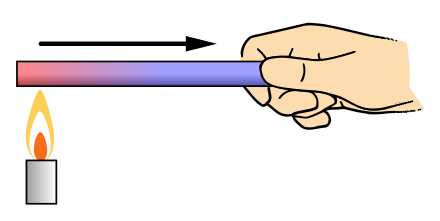 Thermal conduction
Thermal convection: it is a conductive form of exchange of heat and matter, but both bodies are air and water. Swimming or cycling in strong currents and winds implies greater heat loss.

Thermal convection with water
Evaporation: The only physical means to release endogenous heat into the environment. Based on the principle that each liter of sweat or water on the skin is equivalent to dissipating 580 calories. It will depend on 3 factors:
A) Relative temperature and humidity.
B) Convective currents that are around the body.
C) Surface of the skin moved to the environment.
1 liter of sweat “evaporated” is 580 kcal.
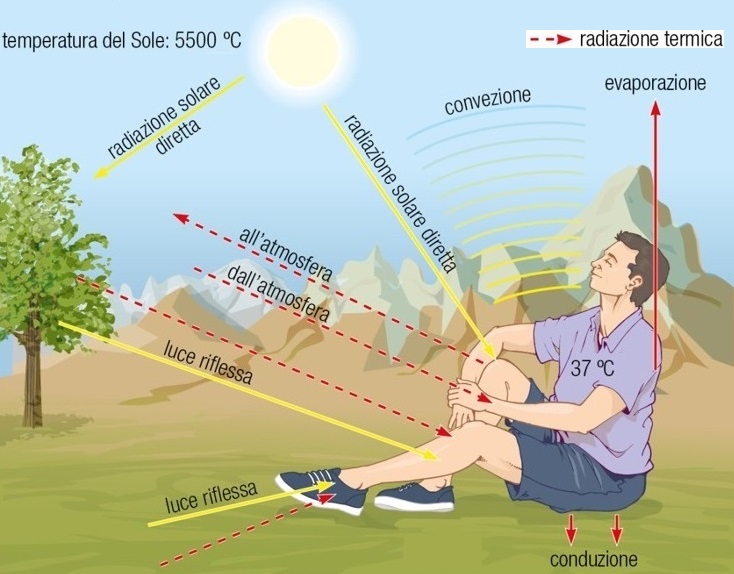
Image of all physical exchanges of heat and environment
Chlorine dioxide is a gas “yellowish” (1 chlorine ion and 2 oxygen atoms) si obtained by mixing sodium chlorite at 28% and hydrochloric acid diluted at 4%, and yes easily dissolves in water without altering its structure, whose primordial ability is to be able to be selective through the body's pH, and therefore reacts with any substance that has more acidity than 7.3 in the human body. We also know that virtually all pathogens, whether bacteria, viruses, fungi or small parasites, have an acidity greater than 7.3. There are many forms of dioxide application
| Test 6 of August 2021. | |||
| Net Body Weight 1:- (Pre workout; after urinating) | 84,65 | ||
| Relative body weight: (Post workout, before urinating) | 84,70 | ||
| Net Body Weight 2: (Post workout, after urinating) | 84,05 | ||
| Urine weight | o,57gr | ||
| 5)Sweat weight: “Weight difference between pre clothes weight;1479 gr/post 1611Gr Work out” | 132Gr | ||
| Test 13 of August 2021. | |||
| Net Body Weight 1:- (Pre workout; after urinating) | 83,9 | ||
| Relative body weight: (Post workout, before urinating) | 84,35 | ||
| Net Body Weight 2: (Post workout, after urinating) | 84,30 | ||
| Urine weight | 0,76 Gr | ||
| 5)Sweat weight: “Weight difference between weight of clothes and pre towel; 1480 Gr/post; 1583 Gr Work out” | 103 Gr | ||
Data analysis Test 6 of August 2021.
relative body weight, which would be your body weight after exercising but before urinating, went up 5 g compared to the net weight 1, which previously said, would be the weight before training, but after urinating. Let's remember that between two weight suits there was functional training and a frequent hydration protocol.
The net weight2, which would be the post-workout weight, after urinating, decreased by 60 g compared to the net weight1, which would be the pre-workout weight, but after urinating. Let's remember that between 2 net weight suits there was functional training and a frequent hydration protocol.
Instead, the weight of sweat, which is precisely the difference between weight of clothes and pre towel; 1479 gr/post 1611 gr work out”, it was of 132 grams. The weight of sweat, in fact, is made up of the water that comes out of the sweat pores of the body, which, by wetting the skin and clothes, carries out the so-called thermoregulation.
Data analysis Test 13 of August 2021.
relative body weight, which would be your body weight after exercising but before urinating, went up 45 gr compared to net weight 1, which previously mentioned, would be the weight before training, but after urinating. Let's remember that between two weight suits there was functional training and a frequent hydration protocol.
The net weight2, which would be the weight after training, and after urinating, went up 40 gr compared to the net weight1, which would be the weight Pre workout, but after urinating. Let's remember that between 2 net weight suits there was functional training and a frequent hydration protocol.
Instead, the weight of sweat, which is precisely the difference between weight of clothes and pre towel; 1480 Gr/post; 1583 Gr work out”, it was of 103 grams. The weight of sweat, in fact, is made up of the water that comes out of the sweat pores of the body, which, by wetting the skin and clothes, carries out the so-called thermoregulation.
FIRST AND SECOND HYPOTHESIS:
The first two hypotheses actually occurred, in fact the amount of liquid in both workouts was sufficient and yet they hydrated me and helped me complete both workouts. Let's review, on August 6th it was 1.5L of water during the entire training. And on August 13th: 1.5L of water with chlorine dioxide diluted in distilled water, or, specifically, 1440 ML of tap water, together with 60ML of chlorine dioxide in the form of "CDS" at 3000 PPM diluted in distilled water during the second training. I have to say that it was a correct amount since I didn't feel thirsty either during or after the workout.
The electronic scale also gave us confirmation, that is, while on August 6th the % of water rose from 61.1 a 61.4 , however on August 13th (CDS) the % of water rose 61,2 a 61, 7., which means that the amount of liquid in both workouts was more than sufficient.
THIRD and FOURTH HYPOTHESIS
The weight “pre” first training session; “net weight 1”, will be greater than the net weight 2 “pos” training, after urinating. That is, the difference will be negative. In fact, the hypothesis was confirmed, the Net weight 2 decreased by 0.60 g compared to the Net weight 1. Let's remember that between the 2 net weight suits there was functional training and a frequent hydration protocol.
| Measure time | Weight(kg) | BMI | Body fat(%) | Body weight without fat(kg) | Subcutaneous fat(%) | Visceral fat | Body water(%) | Skeletal muscle(%) | Muscle mass(kg) | Mass of bone(kg) | Protein(%) | BMR(kcal) | Metabolic age | |
| August 6, 2021 09:13:35 | 84.65 | 24.5 | 15.4 | 71.6 | 13.3 | 7 | 61.1 | 48.2 | 68 | 3.6 | 19.3 | 1916 | 31 |
| Measure time | Weight(kg) | BMI | Body fat(%) | Body weight without fat(kg) | Subcutaneous fat(%) | Visceral fat | Body water(%) | Skeletal muscle(%) | Muscle mass(kg) | Mass of bone(kg) | Protein(%) | BMR(kcal) | Metabolic age | |
| August 6, 2021 10:56:10 | 84.05 | 24.3 | 15.1 | 71.3 | 13.1 | 7 | 61.3 | 48.4 | 67.8 | 3.6 | 19.4 | 1910 | 31 |
| Measure time | Weight(kg) | BMI | Body fat(%) | Body weight without fat(kg) | Subcutaneous fat(%) | Visceral fat | Body water(%) | Skeletal muscle(%) | Muscle mass(kg) | Mass of bone(kg) | Protein(%) | BMR(kcal) | Metabolic age | |
| August 13, 2021 11:03:50 am | 84.35 | 24.4 | 15.2 | 71.5 | 13.2 | 7 | 61.2 | 48.3 | 67.9 | 3.6 | 19.3 | 1914 | 31 | |
| August 13, 2021 11:01:14 | 84.3 | 24.4 | 15.2 | 71.5 | 13.1 | 7 | 61.2 | 48.3 | 67.9 | 3.6 | 19.3 | 1913 | 31 | |
| August 13, 2021 09:19:37 | 83.9 | 24.3 | 14.5 | 71.7 | 12.5 | 7 | 61.7 | 48.7 | 68.1 | 3.6 | 19.5 | 1919 | 31 | |
So by subtracting between 1500 grams of natural water drunk and 0.57 grams of the weight of expelled urine, one could say that the body's physiology used 1499.43 of the water consumed, this water among other things, it allowed excellent hydration as well as the healthy carrying out of functional training, however this calculation would not be exact from a scientific point of view, despite this, this calculation should still be taken into consideration for the development of healthy training.
The fourth hypothesis was incorrect. That is, the second parameter that we used to measure water and heat balance, i.e. sweat, was greater in the training in which I hydrated with natural tap water (6 August; 1.5L of water): 132Gr, as compared to 103 Gr of the second training session in which I hydrated with mineral water and chlorine dioxide (13 August; 1440 ML of tap water, together with 60ML of chlorine dioxide in the form of "CDS" at 3000 PPM diluted in distilled water).
In fact this hypothesis has been proposed since in our previous research (see effects of chlorine dioxide…)the spinning athlete had sweated more in training in which chlorine dioxide was consumed. The hypothesis of the physiological effects was precisely that with chlorine dioxide it would be possible to create more combustion and therefore more available energy, and consequently more demand on the thermoregulation system through the evaporation of sweat.
(Veronique Billat 2002) He says that it is important to understand that it is not actually sweat that makes the skin, and with it the organism, cool, rather its evaporation. Therefore it would be insubstantial to sweat in waterfalls in relation to body thermoregulation, since this cannot be easily evaporated. The sweat that is useful in the thermal balance is that which cannot be seen", i.e. microscopic droplets of sweat which evaporate immediately. This phenomenon is called “perspiration“.(Rocco Palmisano 2018)
However, we must say that this parameter also has to do with the temperature and humidity that was present in the environment at the time of training. In fact we can observe that in the first training session there was an average temperature of 24°C, and an average humidity of 64%. (You see What the weather was like in Verona on August 6, 2021 – Verona Weather Archive »ILMETEO.it .)
However, in functional training which consumed tap water with chlorine dioxide in the form of "CDS" at 3000 PPM diluted in distilled water, the average was 28 °C, with an average humidity of 60% (see What the weather was like in Verona on August 13, 2021 – Verona Weather Archive » ILMETEO.it)
Let's remember that the electromagnetic energy of the sun, together with humidity, directly affects the ability of organic thermoregulation.
In theory, the more ambient °C it would be “same” to more sweat created by biological thermoregulation. Instead, more humidity would equal less ability of the body to expel water and thus contribute to thermoregulation through useful sweat. (osmotic principle and effect)
Let's remember that there was no direct contact with the air, not even with the wind, not even with the sun since the training was done inside a functional gym. Air, wind, sun are all variables that have to do with biological thermoregulation. However, we cannot draw absolute conclusions, but we suspect that chlorine dioxide could help to have a more efficient thermoregulation, since the average temperature was higher than in the first training session, and despite this the sweat was less; this would confirm the efficiency of useful sweat, and consequently better thermoregulation.
Furthermore, we can add in effect, that the fact of having sweated less quantity in the second training was due to a higher average humidity compared to the training in which only common natural water was consumed.
FIFTH and SIXTH HYPOTHESES
The fifth hypothesis was verified, in fact, based on the results of our previous research we considered that the difference between the weight “pre e post” first workout ” (natural water ; g of August), it would have been “negative”. That is, he would lose weight after training. This is actually what happened, the difference in weight was negative, that is, he lost weight by 55%. Gr.
Instead the difference between “pre e post” second training (CDS) was positive, i.e. it went up by 40 Gr between the net weight 'pre’ compared to post-workout net weight.
The sixth hypothesis, however, was not verified, in fact, based on the results of our previous research, we considered that the quantity of urine would have been greater in the first training session (natural water) compared to the second (Si CDS).
Despite this, this hypothesis was not verified, in fact the quantity of urine was greater in the second training session 0,76 gr (si CDS), compared to the first workout o.57gr (natural water only). Although the difference was not substantial, we had thought that the amount would be smaller with chlorine dioxide in the form of CDS, since the spinning athlete hardly urinated during the workout in which he consumed the chlorine dioxide, compared to the 700 gr of urine that he had made after training in which he had only consumed plain water. However, we must underline that neither the hydration protocol, nor the nature of the training, nor the nutrition during the week, the average temperature and humidity, nor the biological organism were the same. Despite this, we cannot discard the hypothesis that chlorine dioxide in the form of CDS is a regulator of water balance, since the quantity of urine in both training sessions was low, so we suspect that the water consumed was of vital importance not only for the water balance, but also for the creation of energy which concerns the implementation of the functional training.
Indeed, water balance and efficiency have to do with the amount of water taken in during functional training, minus the sweat created during and after training, minus the urine secreted during and after training.
BI=AA -S-U=
6 August 2021 (natural water only)
1500 gr-132grs- 57grs = 1311
189 gr
13 August 2021. (Natural water in the form of CDS)
1500 gr-103 grs– 76 grs = 1321
179 gr
Since the body must necessarily secrete water for biological homeostasis through urine and sweat, and saliva, which will allow among other things to develop the thermoregulation process, in fact we can observe that the water secreted (between sweat and urine) was greater in the training in which I drank only natural water: 189 g, compared to 179 g from the training in which I drank natural water together with chlorine dioxide in the form of CDS. This means that the water taken in, both from the point of view of useful sweat and from the point of view of energy creation, remained inside, therefore used by the body, or evaporated on the skin to lower the body temperature, in the end, we suspect that it was used more efficiently by the body. The value of the % of body water on the scale also gave us confirmation of this fact, that is, while on August 6th the % of water rose from 61.1 a 61.4 , however on August 13th (CDS) the % of water rose 61,2 a 61, 7 .
Final conclusion:
This research explored the effects of water and chlorine dioxide (CDS) on fluid balance during functional training, highlighting significant differences in thermoregulation, hydration and energy management. The data collected suggests that CDS can improve water efficiency, reducing fluid loss through sweat and optimizing the use of water for energy production. Although some hypotheses have not been confirmed, the study opens new perspectives on the physiology of hydration and the use of substances such as CDS in sport.
1. Testing of Hypotheses
Hypotheses 1 and 2: Adequate consumption of natural water and CDS for water balance
-
Confirm: Both hydration protocols (plain water and CDS) ensured adequate hydration, allowing the workout to be completed without signs of dehydration.
-
Supporting data:
-
6 August (water only): Body water % increased from 61.1% to 61.4%.
-
13 Agosto (CDS): Body water % increased from 61.2% to 61.7%.
-
-
Conclusions: Plain water and CDS are both effective in maintaining water balance, but CDS showed a slight advantage in increasing water retention.
Hypothesis 3: Negative difference between pre- and post-workout weight (water only)
-
Confirmed: Post-workout net weight decreased by 60 gr compared to pre-workout, indicating greater fluid loss than intake.
-
Interpretation: Thermoregulation through sweat (132 g) and urinary excretion (57 g) contributed to weight reduction.
Hypothesis 4: Increased sweating with CDS
-
Denial: Contrary to expectations, sweating was greater with plain water (132 gr vs. 103 gr con CDS).
-
Possible explanations:
-
Environmental conditions: Higher temperature on August 13 (28°C vs. 24°C), but slightly lower humidity (60% vs. 64%).
-
Effect of the CDS: Potential improvement in thermoregulatory efficiency, with more sweat “useful” (efficient evaporation) rather than abundant.
-
Hypothesis 5: Positive weight difference with CDS
-
Confirmed: With CDS, post-workout weight increased by 40 gr compared to pre-training.
-
Implications: CDS could promote better intracellular water retention or less loss of fluids through sweat.
Hypothesis 6: Greater diuresis with plain water
-
Denial: Urine was higher with CDS (76 gr vs. 57 gr), contrary to previous research.
-
Analyses:
-
CDS may have stimulated light diuresis without compromising hydration, thanks to its alkalizing and pH-regulating effect.
-
The small amount of urine in both cases suggests that the water was used primarily for metabolic and thermoregulatory purposes.
-
2. Water balance and thermoregulation
-
Formula: BI = Water Intake (AA) – Sweat (S) – Urine (U)
-
August 6 (water): 1500 gr – 132 gr – 57 gr = 1311 g retained.
-
13 Agosto (CDS): 1500 gr – 103 gr – 76 gr = 1321 g retained.
-
-
Result: The CDS has optimized water use, reducing losses and improving water efficiency.
Thermoregulation
-
CDS demonstrated a possible stabilizing effect:
-
Less sweat produced despite higher ambient temperatures.
-
Greater water retention, suggesting better adaptation to physical effort.
-
3. Role of Water in the Creation of Energy
-
New perspectives:
-
Water is not just a means of transport, but could be directly involved in energy production through biophysical mechanisms (ionization, Redox potential).
-
CDS, by releasing oxygen and regulating pH, could improve metabolic efficiency.
-
-
Data:
-
Increased post-workout body weight with CDS suggests better use of fluids for energy purposes.
-
4. Limits and Future Prospects
-
Uncontrolled factors: Differences in temperature/humidity, nutrition, individual variability.
-
Suggestions for future research:
-
Studies on larger samples.
-
Direct measurement of blood oxygenation (e.g. oximeter).
-
Analysis of urinary pH and Redox potential to validate the alkalizing effect of CDS.
-
Final Conclusion
This research demonstrated that:
-
Water is essential for water balance, ma he CDS improves efficiency reducing losses and optimizing the use of fluids.
-
CDS could positively influence thermoregulation, reducing sweating “useless” and promoting a better water balance.
-
The hypothesis of water as an energy source deserves further investigation, especially in relation to the Redox potential and the Bohr effect.
Perspectives:
-
Chlorine dioxide, if used correctly, could become an innovative supplement for athletes, improving hydration and performance.
-
There is a need to further explore the biophysical mechanisms underlying these effects, opening new avenues in sports physiology.
“Chlorine dioxide (CDS) improves water efficiency and thermoregulation during training compared to plain water, suggesting potential benefits for athletic performance through biophysical mechanisms.”
¶.14 Bibliography
From books:
The fourth phase of water; beyond the liquid, solid and gaseous form. Gerald H. Pollack. (2018)
Melanin; the precursor of all forms of life Arturo Solìs Herrera. (2019)
Alkalinize and Ionize Rocco Palmisano (2018)
Forbidden Health eighth edition. Andreas Kalcker (2019)
Physiology and Training Methodology Veronique Billat. (2002)
Myofascial meridians. Anatomical Pathways for Body and Movement Therapists Thomas W. Myers. (2016)
Epigenetics and Psychoneuroendocrinology. Francesco Bottaccioli. (2016)
Fascia in Sport and Movement. Stephen Mutch – Werner Klingler. (2015)
PNEI and the myofascial system: the connecting structure Marco chiera, Nicola Barsotti, Diego Lanaro Francesco Bottaccioli. (2017)
From scientific articles:
Center for Human Movement Studies – Neuromove
Bibliography: Kalcker A., Palmisano R., Billat V., Ristow M., Chaplin M. (cited in the text).
Behaviors of fibroblasts during the menstrual cycle. (Carla Stecco 2019)
Sudore (my-personaltrainer.it)ù
(PDF) Human Photosynthesis, the ultimate to the long.
Hemoglobin (my-personaltrainer.it)
chlorine-dioxide-in-covid19-mechanism-of-molecular-action-in-sarscov2.pdf
Mitohormesis, UPR mt, and the Complexity of Mitochondrial DNA Landscapes in Cancer – PubMed (nih.gov)Sodium and potassium effects on skeletal muscle microsomal adenosine triphosphatase and calcium uptake – PubMed (nih.gov)
Magnetic_Waves-Enable-Cell_Communication.pdf
Ristow M, Schmeisser K. Mitohormesis: Promoting Health and Lifespan by
Increased Levels of Reactive Oxygen Species (ROS). Dose response. 2014 Jan
31;12(2):288-341. doi: 10.2203/dose-response.13-035.Ristow.eCollection 2014.
Ling GN, Debunking the alleged resurrection of the sodium pumphypothesis.
Physiol Chem Phys Med NMR. 1997; 29(2):123-98.
Ling GN, Truth in basic biomedical science will set future mankind free. Physiol
Chem Phys Med NMR. 2011; 41:19-48.
Podolsky RJ, Kitzinger C. (1955). Federation Proc. 14, 115.
Membrane potential and action potential – Human Physiology (page 2) – Monografias.com
From video:
…